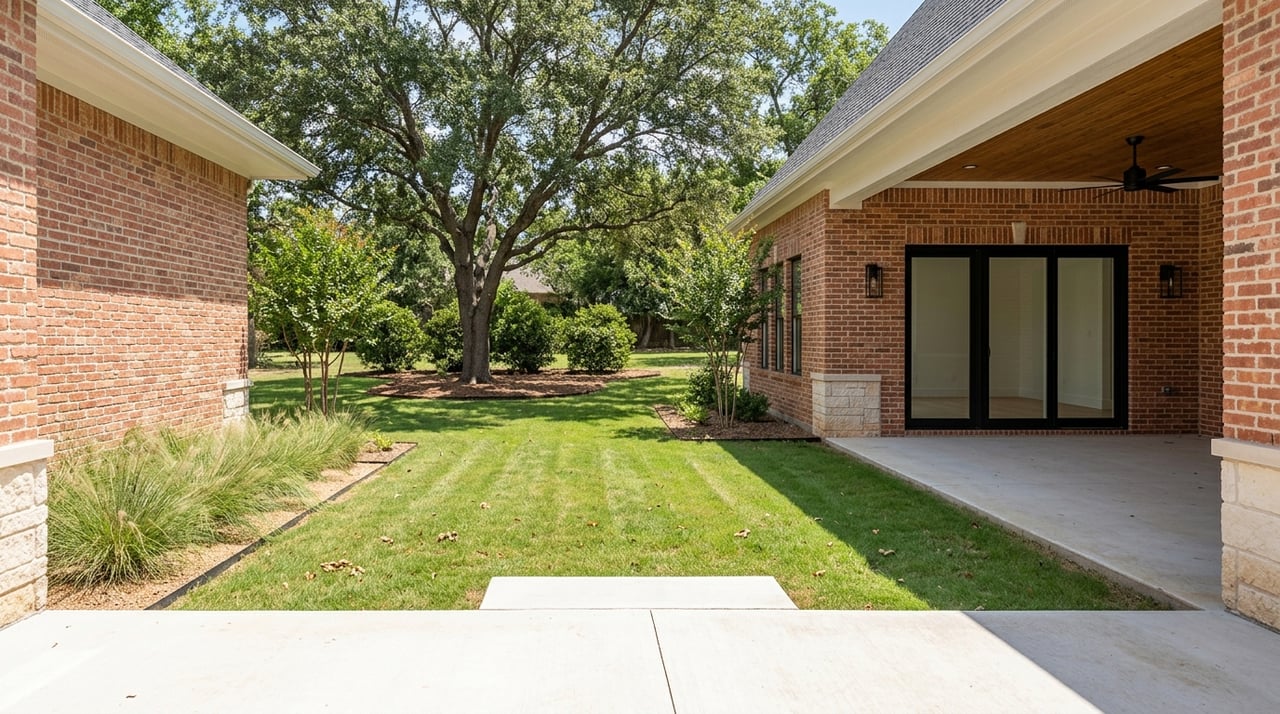
How to Sell an Acreage Home in Parker TX
June 4, 2026
June 4, 2026
Selling acreage in Parker is different from selling a typical suburban home. Buyers are not just looking at bedrooms and finishes. They are also studying utility service, septic history, plat status, usable land, and whether the property can support their plans. If you want fewer surprises and a smoother sale, it helps to prepare for those questions before your home hits the market. Let’s dive in.
One of the first things you need to confirm is where your property sits from a jurisdiction standpoint. In Parker, that means finding out whether the tract is inside city limits, inside Parker’s extraterritorial jurisdiction, or outside both. That matters because platting authority can change depending on location.
Parker’s Planning & Zoning department handles zoning, site plans, landscape plans, and subdivision plats, and the city’s subdivision regulations apply in both the city limits and the ETJ. Collin County notes that if a property is within a city’s ETJ, the city is the platting authority. If it is outside any city ETJ, the county becomes the platting authority.
This step is especially important if you plan to market part of a larger tract or suggest future division potential. Parker’s code says the city will not extend utilities, provide access to public roads, or issue building permits for property that has not received final plat approval, subject to limited exceptions. In plain terms, if your acreage story includes subdivision potential, you need to verify plat status before you advertise it.
For acreage properties in Parker, utilities are one of the biggest value signals buyers will notice. Parker states that most residential lots rely on private septic systems, while sewer service is limited to the northeast quadrant. The city’s water supplier is NTMWD.
That utility setup can shape both pricing and buyer expectations. A buyer comparing two acreage properties may see a big difference between a home connected to limited sewer service and one that depends on a private septic system. Even when the house itself shows well, utility details can influence how buyers view convenience, maintenance, and future plans for the tract.
Parker also states that new water service requires a Water Service Agreement and identification, includes a $50 setup fee, and is scheduled only on weekdays during business hours. That detail may seem small, but it can matter during closing and move-in planning. A well-prepared seller makes these service details easy to understand upfront.
If your property uses an on-site sewage facility, or OSSF, buyers will want documentation. In Texas, TCEQ says a permit and approved plan are required to construct, install, alter, extend, or repair an OSSF. TCEQ also notes that local programs may be stricter than state minimums.
There is a narrow 10-acre exemption in some single-family situations, but it applies only when specific site and setback conditions are met. Because the rules are fact-specific, it is smart to avoid assumptions. If your acreage property has septic service, gather the permit history and any available records before listing.
Collin County also notes that OSSF suitability is part of plat review for lots without collective sewer access. That makes septic documentation part of normal due diligence in Parker. If you can answer septic questions early, you help buyers feel more confident about the property.
Outdoor improvements often carry a lot of value on acreage properties. A pool, fence, sprinkler system, detached building, or other exterior feature may be one of the reasons a buyer chooses your property over another one. In Parker, permit records for those items can help support that value.
The city’s permit page lists permits for fences, pools, sprinkler or irrigation systems, accessory or outbuildings, and new home construction. Before you list, it is worth confirming what permits were issued for the property. That gives you a cleaner story when a buyer asks about improvements and whether any follow-up may be needed.
This step can also help reduce delays during the contract period. If a buyer discovers permit questions late, it may lead to extra negotiation or uncertainty. A seller who prepares permit history ahead of time often looks more organized and credible.
With acreage, the land is part of the product. Buyers want to understand how the tract lays out, how much of it is usable, and how the improvements sit on the site. Interior photos still matter, but they are not enough on their own.
The MLS guide for acreage-related listings requires lot dimensions and photos. In practical terms, your marketing should make the land easy to read. That usually means clear photos of the frontage, driveway approach, fencing, open areas, tree lines, and outbuildings.
If the property includes a creek, pond edge, drainage path, ditch, or other low area, identify that early. Parker’s drainage code preserves some floodplain areas from development and requires drainage and maintenance access easements along creeks or drainage ways in certain cases. Those features may affect usable acreage, and buyers will want a realistic picture of the tract.
A common mistake with acreage sales is focusing too much on gross acreage alone. In Parker, buyers usually care more about usable acreage than the number on paper. Access, utility type, drainage features, plat status, and improvements all affect value.
Collin CAD appraises property annually as of January 1 and records acreage, neighborhood, improvement type, quality, size, and condition. That tells you something important about buyer behavior too. The house and the land are both part of the valuation story.
If your tract has areas limited by drainage, easements, or access constraints, those should be considered when setting expectations. The same is true if the property has strong usable features like open pasture, solid road frontage, detached buildings, or well-placed fencing. A smart pricing strategy looks at the full picture, not just the headline acreage count.
If your property has agricultural-use appraisal, that can become a key topic during a sale. Collin CAD states that it uses an income approach for ag-use value and that a change of use can trigger rollback taxes for the three preceding years. That is an important issue to understand before you market the property.
Collin CAD also notes that small acreage with a home on an ag parcel is primarily residential in nature, with the home site treated separately. For sellers, that means the tax and appraisal story may not be as simple as saying the whole property is ag exempt. Buyers may ask how the current use is classified and what could happen if their future use changes.
The best approach is to have your documentation ready and keep the explanation factual. Clear records help buyers and their advisors evaluate the property with fewer assumptions.
A well-organized acreage sale usually starts with a well-organized file. Before your property goes live, pull together the records a buyer is most likely to request. That saves time and helps your listing feel more complete from day one.
Useful records may include:
Collin CAD’s property search and interactive map can help verify the parcel and download plats, and the district points users to the Collin County Clerk’s records search for original plats. When you can answer basic questions about boundaries, utilities, access, and improvements quickly, your property tends to feel easier to buy.
Acreage listings need precise MLS input. According to the MLS guide, lot size must be entered with the correct units or no lot size will appear in the MLS. That sounds technical, but it has a real effect on how buyers and agents interpret your listing.
The guide also notes that lot dimensions and photos should be included, and it provides tools for listings that may be sold in more than one configuration. If your property can be marketed as a whole tract or in multiple parcels, that should be handled carefully and only when supported by the property’s plat status and legal realities.
In short, accurate MLS data is not just paperwork. It is part of how you present the property’s value and avoid confusion.
Selling an acreage property in Parker is often about removing uncertainty. Buyers can get excited about space, privacy, and flexibility, but they also want confidence about utilities, septic, permits, and what the land can realistically support. The more clearly you present those facts, the easier it is for a buyer to see the property’s value.
That is where a practical, detail-first strategy makes a difference. When your pricing reflects usable acreage, your marketing shows the land clearly, and your records are ready, you put yourself in a stronger position from the start.
If you are getting ready to sell and want a practical plan for positioning your property, Linda Baker can help you prepare, market, and present your Parker acreage with clarity and confidence.
Stay up to date on the latest real estate trends.

Get assistance in determining current property value, crafting a competitive offer, writing and negotiating a contract, and much more. Contact me today.
Linda Baker | Global Real Estate Advisor
7301 Lone Star Dr A115
Plano, TX 75024
