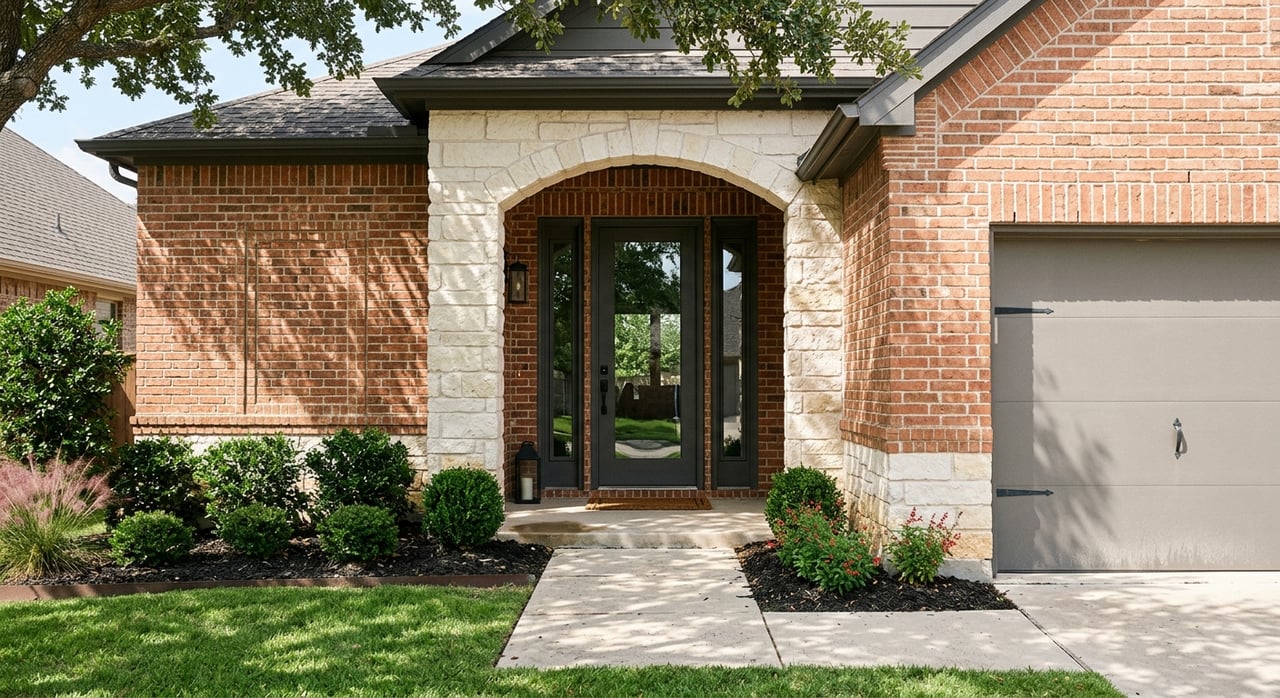
Should You Buy a Lewisville TX Investment Property?
April 23, 2026
April 23, 2026
Wondering whether a rental home in Lewisville is a smart buy right now? The short answer is yes, for the right strategy. If you are hoping for strong tenant demand in a well-connected North Texas location, Lewisville has a lot going for it. If you need high cash flow from a full-price purchase on day one, the numbers look tighter. This guide will help you understand where Lewisville stands today, what types of rentals may fit best, and what to watch before you buy. Let’s dive in.
Lewisville has several traits that attract long-term rental demand. According to U.S. Census QuickFacts for Lewisville, the city grew from 111,822 residents in 2020 to 135,983 in July 2024. That kind of growth can support a healthy need for housing.
The city also has a large renter base. Census data shows a 46.3% owner-occupied housing rate, which implies about 53.7% renter occupancy. For a rental owner, that matters because it points to an established leasing market rather than a city that depends mostly on homeownership.
At the same time, Lewisville does not look overheated. Realtor.com’s Lewisville market overview shows 291 homes for sale, 1,080 rentals, and a median 68 days on market in its December 2025 snapshot. Home prices were down 4.74% year over year, while rents were up 0.39% year over year, which suggests an active market with some room for careful buyers to negotiate.
If you are buying mainly for income, this is where you need to be realistic. Census QuickFacts lists a median owner-occupied home value of $378,500 and median gross rent of $1,670. Realtor.com shows a median home price of $400,000 and median rent of $1,544.
Using those figures, Lewisville roughly falls into a price-to-rent range of about 18.9x to 21.6x, with gross yields around 5.3% to 4.6% before expenses. That is not a deep cash flow setup once you factor in taxes, insurance, repairs, vacancy, and ongoing maintenance. In plain terms, Lewisville tends to make more sense for a buy-below-market, value-add, or appreciation-focused rental strategy than a pure income play.
Another useful clue is the gap between ownership costs and rent. Census data shows median selected monthly owner costs with a mortgage at $2,411, which is well above the median gross rent. That gap can help sustain renter demand, since renting may remain the more practical option for many households.
Lewisville benefits from location and access. The City of Lewisville transparency page states that the city is minutes from DFW International Airport, sits along two major highways, and is home to more than 5,000 businesses and more than 65,000 full-time and part-time jobs. That mix gives renters multiple reasons to stay in the area.
Transit is another plus. DCTA A-train service information through the city highlights stations at Highland Village/Lewisville Lake, Old Town, and Hebron, with a connection to DART’s Green Line at Trinity Mills. If you are comparing properties, access to transit and commuter routes can be a real advantage.
Household stability also matters for landlords. Census QuickFacts shows 83.1% of residents were living in the same house a year earlier. That does not guarantee long leases, but it does suggest a market with a stable resident base rather than constant turnover.
Lewisville is not a one-size-fits-all rental market. A city housing analysis shows that 1-unit detached homes make up 41.2% of the housing stock. Buildings with 10 to 19 units account for 15.8%, and buildings with 20 or more units make up 23.3%.
That mix points to a few practical options for small investors:
The same city analysis says 3-bedroom units are the largest share of the housing stock at 32.5%, while apartments are concentrated more heavily in 1-bedroom and 2-bedroom layouts. That can make detached homes and townhomes stand out, especially if you want a product type that is less directly competing with large apartment inventory.
Lewisville is also about 94% built out, based on the same housing report. That means future supply is more likely to come from infill and redevelopment rather than major new subdivisions, which can help support the value of well-located existing homes.
Location inside Lewisville can shape your rental strategy. The city’s Lewisville 2025 planning page notes support for townhomes, condos, lofts, accessory cottages, and a pre-approved backyard cottage design program. It also states that single-family homes are more concentrated west of I-35, while multifamily is more common east of I-35.
That does not make one side better than the other across the board. It does mean you should match the property type to the surrounding housing pattern, access, and tenant profile. In practical terms, a detached home may fit naturally in one area, while an attached product near transit or mixed-use nodes may fit better in another.
For many renters, access to daily routines matters. Lewisville ISD serves more than 47,000 students, employs more than 6,000 staff, covers 13 municipalities, and includes 64 campuses. That scale supports a broad local housing base and reinforces Lewisville’s role as a mature residential market.
The city’s planning direction also supports a range of housing types for different stages of life, including empty-nesters, millennials, and mixed-use residents. For landlords, that signals a market trying to maintain a broad housing mix rather than serving only one type of renter.
Before you buy, make sure you understand local oversight. Lewisville has a Single Family Rental Inspection Program that took effect July 1, 2008. There is currently no fee or registration requirement, but an inspection can be triggered by the owner, a future tenant, a water-service transfer request, or a complaint.
The inspection checklist focuses on practical property condition items like roof, siding, windows and screens, fences, visible address numbers, grass and weeds, unsightly material, and inoperative vehicles. If you plan to self-manage, you will need a consistent approach to upkeep and turnover preparation.
Multifamily properties carry more oversight. The city’s Multi-Family License Program requires a current multifamily complex license and includes inspections for life-safety systems, plumbing, electrical, heating and cooling, and interior conditions. If you are comparing a detached home with a multifamily asset, this is one reason operating complexity can be higher on the multifamily side.
State law matters just as much as local rules. The Texas Attorney General’s tenant rights page states that security deposits generally must be returned within 30 days after the tenant surrenders the property and provides a forwarding address. If deductions are withheld, an itemized list is required.
The same source explains that Texas Property Code Section 24.005 generally requires at least three days’ written notice to vacate before an eviction suit, unless the lease says otherwise. It also notes under Section 92.052 that landlords must make a diligent effort to repair or remedy conditions that materially affect health or safety after proper notice.
For you as an owner, this reinforces a simple point. A clean lease, responsive maintenance process, and clear recordkeeping are essential.
Lewisville has real strengths, but it is not risk-free. The biggest challenge is modest gross yield at current pricing. If you overpay and then add realistic operating costs, the return can compress quickly.
Another risk is underestimating maintenance standards. The city’s broader Neighborhood Vitality program supports exterior repairs, neighborhood improvements, and short-term housing rehab. That tells you this is a market where curb appeal and property condition matter.
A third risk is choosing the wrong property type for your strategy. If you buy a rental that directly competes with a large supply of similar units, lease-up and pricing may be harder than expected. Matching your property to the local housing mix and demand drivers is one of the smartest ways to reduce that risk.
Yes, Lewisville can be a good place to buy a rental home if your goal is stable demand in a job-rich, commuter-friendly city. It looks strongest for investors who value long-term positioning, careful acquisition, and solid property condition more than immediate high cash-on-cash return.
In many cases, the best fit may be an updated detached home or well-located townhome in an established area, especially one with practical access to employment corridors, transit, and everyday services. It may also be a sensible option if you are converting a former primary residence into a rental rather than buying at full market price purely for income.
If you want help evaluating a property, comparing resale potential, or thinking through a practical buy-and-hold strategy, connect with Linda Baker. You will get a thoughtful, boutique approach grounded in real market fundamentals.
Stay up to date on the latest real estate trends.
Get assistance in determining current property value, crafting a competitive offer, writing and negotiating a contract, and much more. Contact me today.
Linda Baker | Global Real Estate Advisor
7301 Lone Star Dr A115
Plano, TX 75024
