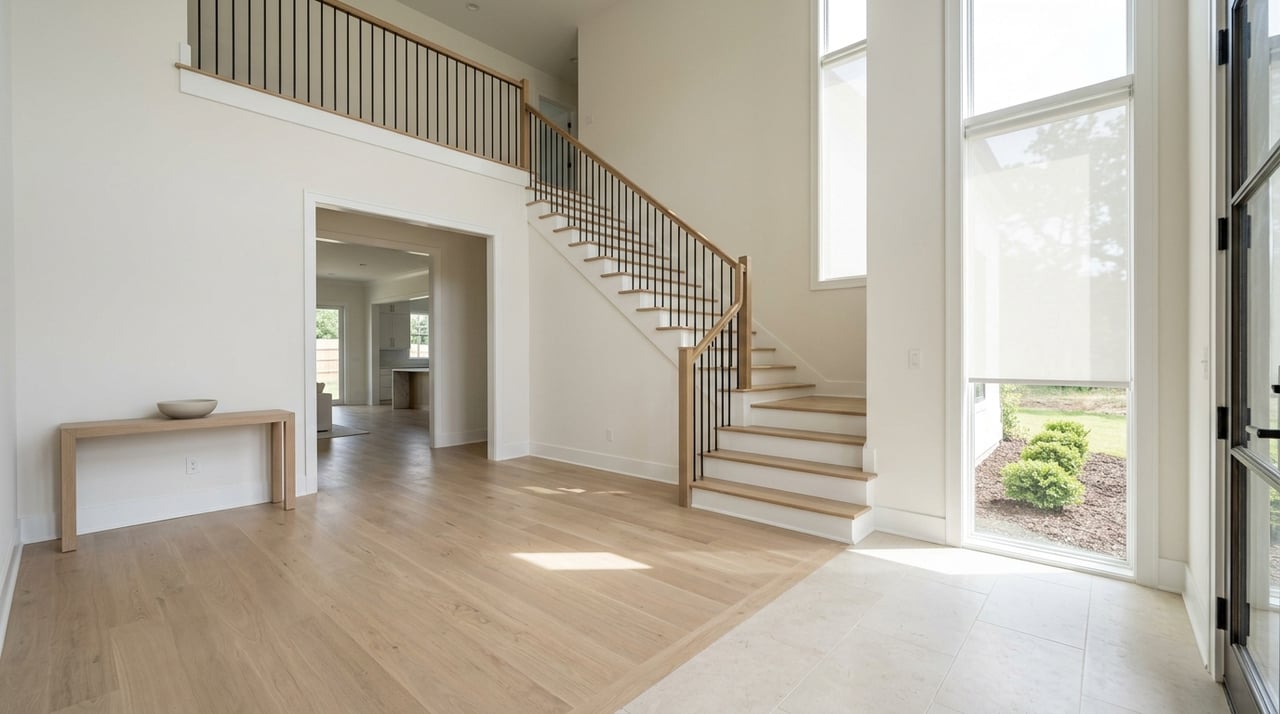
McKinney Move-Up Buyer Guide for a Larger Home
April 16, 2026
April 16, 2026
If your current home no longer fits the way you live, you are not alone. Many homeowners in McKinney are looking for more space for work, storage, hobbies, or simply a more comfortable layout, but trading up can feel complicated when you have to sell one home and buy another at the same time. The good news is that today’s market gives you more room to plan, compare options, and make thoughtful decisions. Let’s dive in.
If you are trying to move into a larger home, the first step is understanding the market you are stepping into. Recent data points vary a bit by source, but they tell a similar story: McKinney is much calmer than it was during the peak frenzy of the last few years.
Realtor.com’s McKinney market overview shows a median home price of $500,000, about 2,282 homes for sale, and a median of 45 days on market in February 2026. The same source also describes the city as a buyer’s market, while Collin County data shows 11,381 homes for sale, a median listing price of $499,990, 49 days on market, and a 97% sale-to-list ratio.
Other sources point in the same direction. Redfin’s McKinney housing market data reports a February 2026 median sale price of $523,000, while HAR reports a median price of $521,250 and 63.5 days on market. Even though the exact numbers differ, the broader takeaway is clear: you likely have more inventory to choose from and less pressure to rush.
That local trend also matches the statewide picture. According to the Texas Real Estate Research Center at Texas A&M, Texas had 131,420 active listings in January 2026, inventory was up 11.2% year over year, and DFW price softening had continued for 11 straight months.
A more balanced market can be helpful if you are trading up. You may have more time to evaluate homes, negotiate terms, and avoid some of the bidding-war pressure that made move-up decisions harder in previous years.
That said, balance does not mean you can ignore pricing or timing. McKinney sellers still need to price correctly, especially in a market where buyers are more selective and homes are spending longer on the market than they did during the peak seller-driven period.
Before you browse larger homes, get clear on your current equity position. The Consumer Financial Protection Bureau defines home equity as your home’s current value minus what you still owe on your mortgage.
That number matters because your equity often helps fund the next purchase. It may cover part or all of your down payment, some or all of your closing costs, and moving expenses. It also helps you understand whether a larger home is financially comfortable or likely to stretch your budget.
A common mistake is to focus only on your mortgage payoff and overlook selling costs. In reality, your sale proceeds are reduced by commissions, taxes, fees, and sometimes prep costs like repairs or staging.
According to Freddie Mac’s guide to selling costs, seller closing costs often include commission, taxes, and fees. Real estate commission often ranges from 3% to 8% of the sale price, while fees and taxes can run another 2% to 4%. Sellers may also face repair costs, staging costs, and buyer-requested repairs.
A practical move-up plan starts with this simple equation:
That number gives you a much more useful starting point than a rough guess based on your home’s value alone.
Buying your next home comes with upfront costs too. Freddie Mac’s homebuying cost guide says down payments commonly range from 3% to 20% of the purchase price, closing costs generally run 2% to 5%, and earnest money is often 1% to 2%.
If your down payment is under 20%, private mortgage insurance may apply. That does not automatically make the move a bad one, but it does affect your monthly payment and total housing cost.
Mortgage rates matter here as well. Freddie Mac reported a 6.37% average 30-year fixed rate on April 9, 2026. In practical terms, even a modest increase in price or a smaller down payment can noticeably change your monthly payment.
This is often the biggest question for move-up buyers in McKinney. The right answer depends on your equity, cash reserves, income, and comfort with risk.
The CFPB says that if you want to move, you normally try to sell your home before buying another one. This path often makes sense if you need your current equity for the next down payment, want to avoid carrying two mortgages, or prefer a simpler financial picture.
Selling first can reduce pressure. You know how much cash you actually have, and you can shop for your next home with fewer unknowns.
Buying first may be possible if you have enough reserves or enough qualifying income to manage the overlap. This option can give you more control over timing, especially if you want to avoid a temporary move.
Fannie Mae’s bridge and swing loan guidance says a bridge or swing loan can be an acceptable source of funds if it is not cross-collateralized against the new property and the lender documents your ability to carry the current home, the new home, the bridge loan, and your other obligations.
There is also a middle ground. If your current home is already listed, Fannie Mae allows lenders to consider anticipated sales proceeds in some cases. The lender may qualify you based on the expected sale proceeds, though the actual proceeds must be documented at or before closing.
This can help create flexibility, but it still requires careful coordination. It is not a shortcut around budgeting.
If you are moving up in McKinney, these are the financing paths most worth discussing with your lender:
Home-equity borrowing can help with timing, but it comes with risk. The CFPB explains that a home equity loan is a lump-sum loan secured by your home, while a HELOC is a revolving line of credit. CFPB also warns that if you cannot keep up with payments, or if your home value falls significantly, access to the line can be restricted and you could lose the home.
A move-up purchase usually works best when you plan backward from your ideal move date. In McKinney, where days on market have recently ranged from the mid-40s to the low-90s depending on the source and time frame, it is wise to plan for a several-week to several-month coordination window rather than expecting both transactions to happen instantly.
Start by estimating equity, reviewing your mortgage payoff, and calculating likely net proceeds. This is also the time to talk with lenders, compare scenarios, and understand what payment range feels comfortable.
The CFPB homeownership tools and Fannie Mae’s selling guidance both support getting financing and market planning organized early. This stage helps you make better decisions before you are under pressure.
Prepare your current home for the market. Fannie Mae’s selling process guide recommends making the home market-ready, and Freddie Mac notes that sellers often need repairs or improvements before listing.
This is the time for repairs, staging, photography, and pricing strategy. In a more selective market, strong presentation matters.
Keep your financing current and your budget updated. As you compare homes, continue reviewing loan estimates, monthly payment scenarios, and your likely cash to close.
CFPB also recommends keeping purchase offers contingent on financing and a satisfactory inspection. Those protections matter when you are managing two major transactions at once.
If you need your current home to sell in a reasonable time frame, accurate pricing is critical. Aiming too high can slow the process, reduce leverage, and make it harder to line up your next purchase.
That matters in McKinney right now. Redfin reports that homes are selling at 97.4% of list price and that 35.3% of homes are seeing price drops. In a market with more choices for buyers, realistic pricing often protects your timeline better than testing the top of the market.
If you want to trade up to a larger home in McKinney, focus on these steps first:
Trading up is possible, but the smoothest moves usually come from clear numbers and realistic timing. If you want practical guidance on your next step, Linda Baker offers a boutique, hands-on approach built around clear communication, thoughtful planning, and a steady process.
Stay up to date on the latest real estate trends.




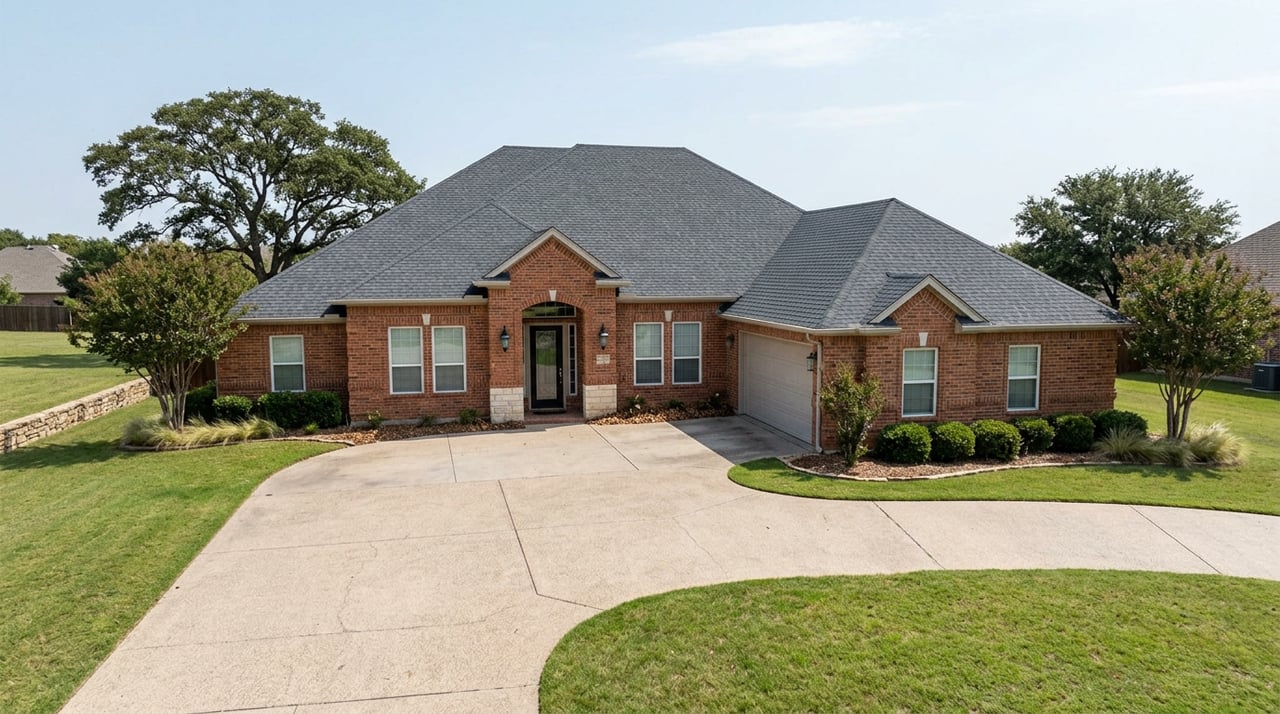




Get assistance in determining current property value, crafting a competitive offer, writing and negotiating a contract, and much more. Contact me today.
Linda Baker | Global Real Estate Advisor
7301 Lone Star Dr A115
Plano, TX 75024
