Parker TX Acreage Homes, Estates and Country Living
May 7, 2026
May 7, 2026
If you want room to breathe without leaving the Dallas area behind, Parker deserves a close look. This is not a typical subdivision market, and that is exactly why many buyers are drawn to it. When you buy in Parker, you are often weighing acreage, estate-style homes, utility details, and zoning rules all at once. This guide will help you understand what makes Parker different and what to check before you buy. Let’s dive in.
Parker stands out because the city is built around larger residential lots. Its zoning code supports an estate-lot pattern rather than the smaller-lot format you see in many nearby suburbs.
In the Single-Family Transitional district, the average lot size must be at least 1.5 acres net, and the minimum lot size is 1 acre net. In the separate SF district, the minimum is even larger at 2 acres net. That framework helps explain why Parker often feels more spacious and more private than many surrounding communities.
The zoning code also requires a single-family residence in the SFT district to have at least 2,500 square feet of air-conditioned space. On top of that, lot coverage is limited, which can affect how much of the property can be occupied by the house and any additional structures.
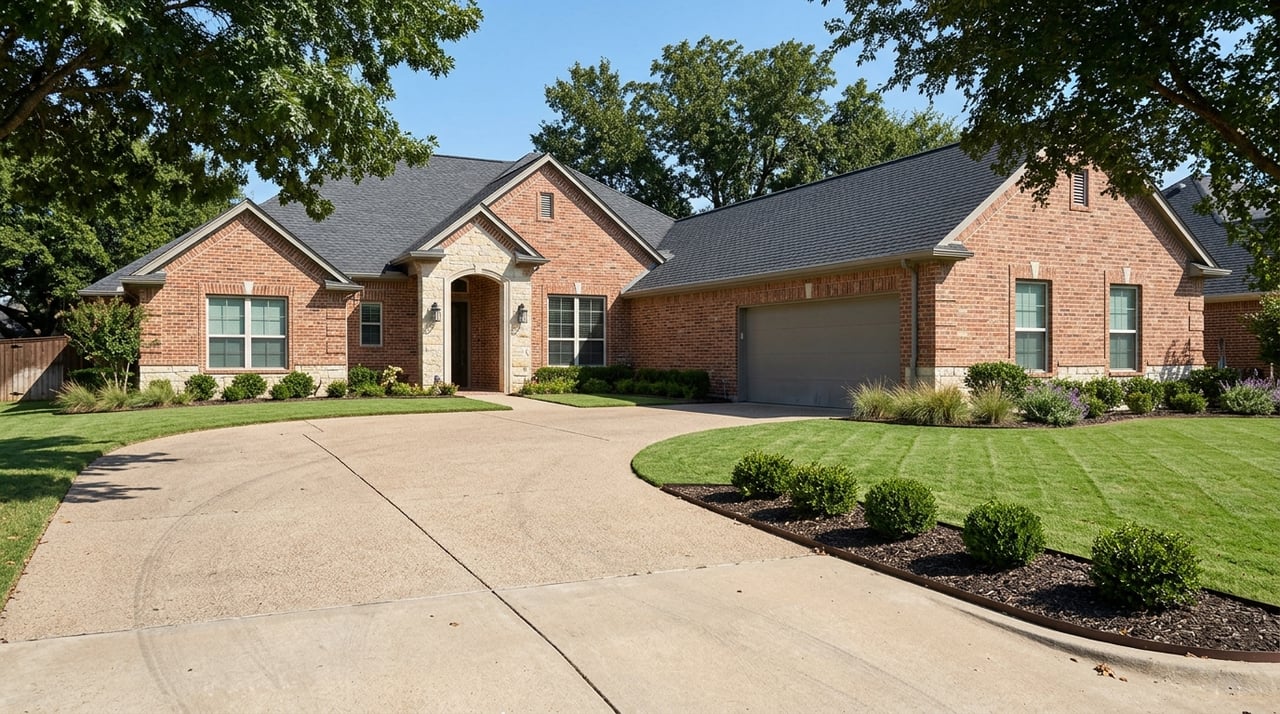
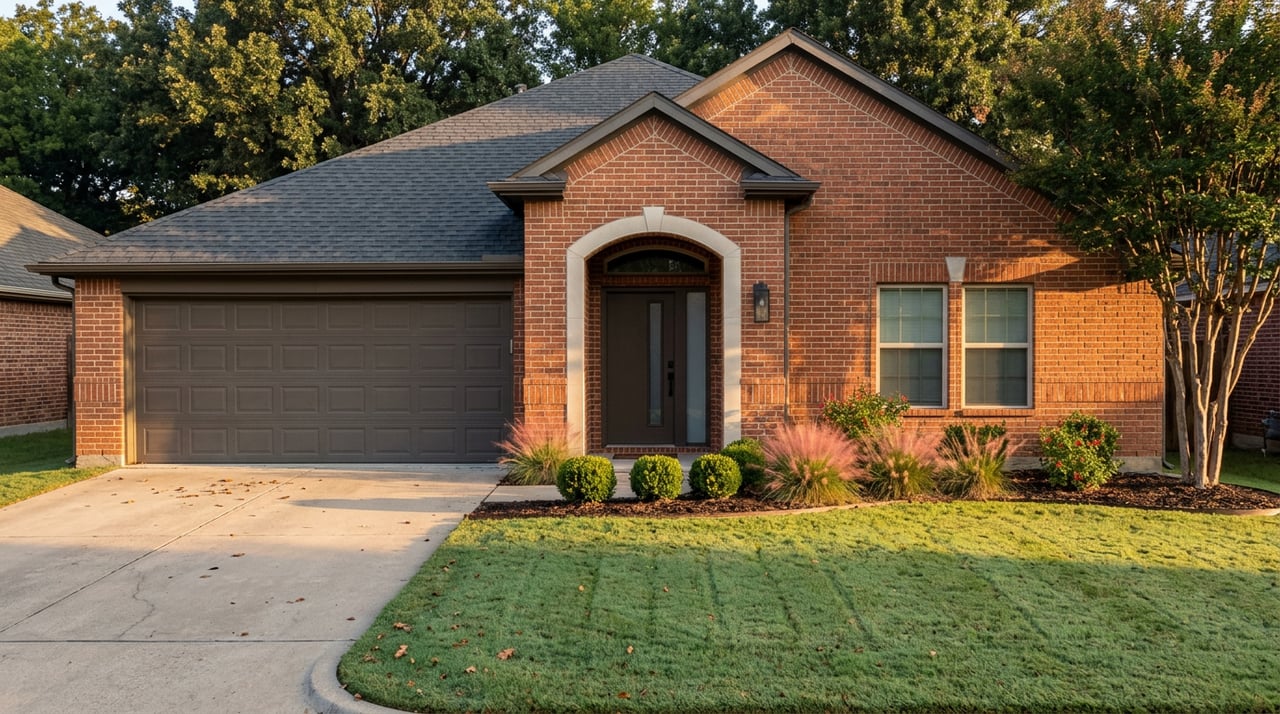
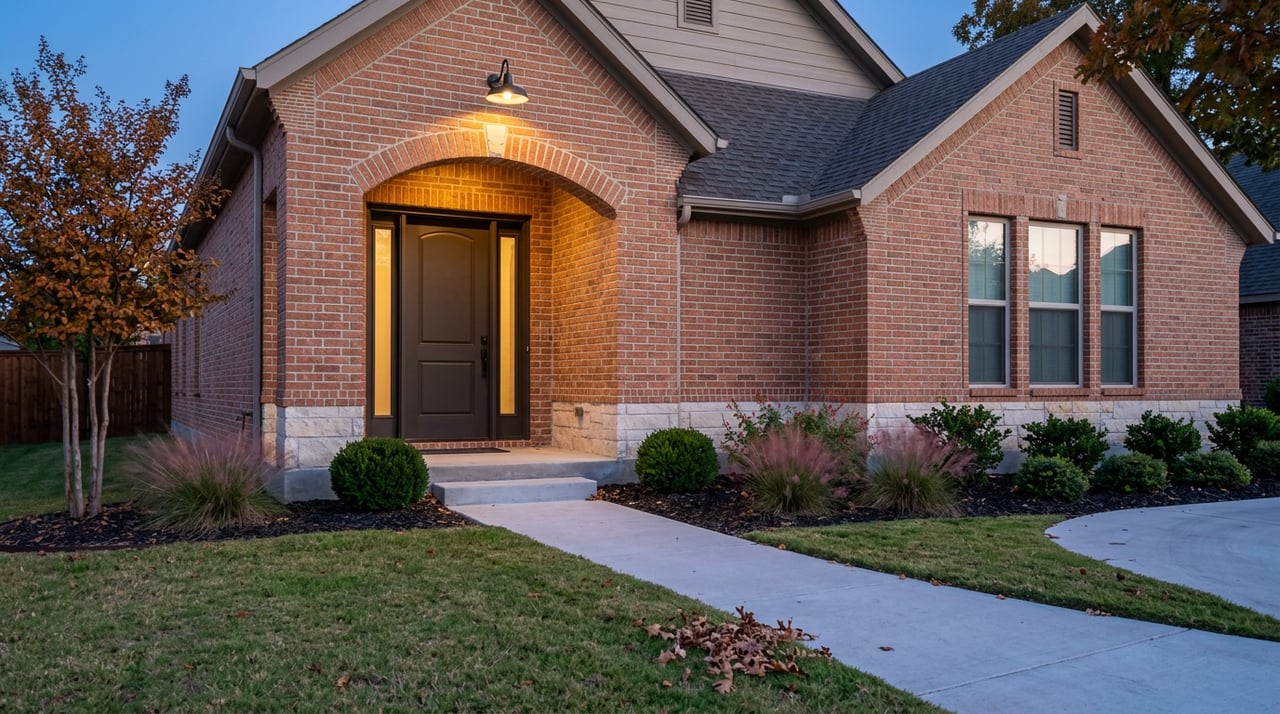
Country living in Parker does not always mean rural in the traditional sense. You may find larger lots, long driveways, mature landscaping, and more separation between homes, but you are still buying in a city with local rules, utility billing, and development standards.
That matters because a property can look wide open while still being shaped by zoning and utility requirements. If you are picturing a barn, workshop, pool house, or guest space, you need to confirm what the parcel and zoning district will actually support.
In Parker, bigger is not always simpler. The city uses net acreage, which means the number on a listing may not tell the full story about how much of the lot is truly usable for improvements.
This is one reason the survey matters so much. You will want to verify acreage, easements, access points, and the actual buildable area before you make assumptions about future plans.
In the SFT district, total lot coverage is capped at 20%, and accessory buildings are capped at 10% of lot area. That may not sound restrictive at first, but it can become important quickly if you want multiple outbuildings or extensive outdoor improvements.
For example, a large detached garage, barn, workshop, pool cabana, or guest structure can all affect what fits on the site. A property with plenty of open land may still require careful planning to stay within city limits and requirements.
Parker is a thin, high-value market. As of March 31, 2026, Zillow places Parker’s typical home value at $1,088,169, with only 19 homes for sale.
Redfin’s March 2026 market data shows a median sale price of $954,500 and an average of 172 days on market. Those numbers suggest a market where inventory is limited and where individual property features can have a major effect on pricing and timing.
Compared with nearby suburbs, Parker sits at the upper end of the local value range. Zillow reports lower typical home values in Allen, McKinney, Wylie, and Murphy, while Lucas is the closest match to Parker in price point.
Inventory is also much tighter in Parker than in those nearby cities. That makes Parker feel less like a broad suburban market and more like a niche estate market where lot quality, finish level, and property setup carry extra weight.
Homes in Parker tend to take longer to sell than homes in many nearby suburbs. Redfin shows an average of 172 days on market, while nearby cities posted much faster days-to-pending figures.
For you as a buyer, that can mean two things. First, unique homes may require more careful pricing and negotiation. Second, you may have more time for thoughtful due diligence than you would in a faster-moving subdivision market.
One of the biggest differences between buying a typical suburban home and buying acreage in Parker is the utility review. You should never assume that every larger parcel works the same way.
The City of Parker bills water, trash, recycling, and sewer. Its posted residential sewer charge is $114.58 per month, and the water minimum charge is $54.92 for the first 4,000 gallons in the posted rate period.
That means a sewer-connected property may have a different monthly cost structure than a similar home using an on-site system. This is one of the first details worth confirming when you compare properties.
A common mistake is assuming that acreage automatically means septic. In Parker, that is not always true.
The city’s zoning code states that if a sanitary sewer line is available, connection to municipal sewer is required at the landowner’s cost. If a sewer line is not available, on-site sewage or wastewater treatment systems may be approved instead.
If a property has an on-site system, Collin County is the key local authority for OSSF permits. The county says some properties inside city limits may also need to apply depending on the city and the property setup.
The county also says a dwelling must not be occupied until the septic system has passed final inspection and received a License to Operate. For an existing aerobic system, buyers need to know that Collin County requires a maintenance contract and change-of-ownership paperwork, and the new owner must submit those forms within 15 days of closing.
Just as important, Collin County does not require aerobic systems in every case. You should verify the actual system type instead of assuming all septic-served homes use the same setup.
In Parker, the house is only part of the purchase. On acreage and estate-style properties, the land itself can carry just as much importance.
A smart review starts with the basics, then moves into the details that affect how you can use the property over time. That process helps you avoid surprises after closing.
Start by confirming:
This step is especially important because zoning and septic suitability can depend on usable area, not just gross lot size.
If you want more than the main house, confirm those plans early. In Parker’s SFT district, accessory buildings and home occupation are allowed by right, but accessory dwellings and certain large-animal uses require special-use approval.
That distinction matters if you are shopping for a property with future plans in mind. A listing may mention flexibility, but the city’s zoning status is what counts.
If you are considering raw land, a lot split, or a future build, check with Parker’s Planning and Zoning department before you make assumptions. That department handles zoning, specific use permits, site plans, landscape plans, and subdivision plats.
This is the right place to verify whether a site can be improved the way you expect. It is also an important check if a parcel looks large enough on paper but may have limits tied to easements, drainage, or usable-area requirements.
Parker can be a strong fit if you want space, privacy, and a more estate-oriented setting within Collin County. It may also appeal to buyers who want a home where the lot is a major part of the value.
At the same time, Parker usually asks more of the buyer than a standard neighborhood purchase. You need to be comfortable reviewing surveys, utility setups, zoning details, and long-term property use before you move forward.
That extra effort can pay off. In a market with limited inventory and larger parcels, informed buyers are better positioned to choose the right property and avoid expensive assumptions.
If you are exploring Parker, it helps to work with someone who can look past the headline acreage and focus on the details that shape daily use, future plans, and overall value. To request a showing or consultation, connect with Linda Baker.
Stay up to date on the latest real estate trends.
Get assistance in determining current property value, crafting a competitive offer, writing and negotiating a contract, and much more. Contact me today.
Linda Baker | Global Real Estate Advisor
7301 Lone Star Dr A115
Plano, TX 75024
